
Understanding Drug Addiction
Blog > Educational > Understanding Drug Addiction: Recognizing, Treating and Supporting Recovery
Drug addiction is a complex disease that impacts not only those who are addicted but also their families, friends, and the entire community. As addiction continues to rise worldwide, understanding its nature and identifying solutions to help those affected has never been more crucial. In this post, we will explore what drug addiction is, the warning signs to recognize it, and strategies for both families and professionals to help individuals on the path to recovery. This guide aims to inform, support, and inspire hope for anyone affected by drug addiction.

What is Drug Addiction?
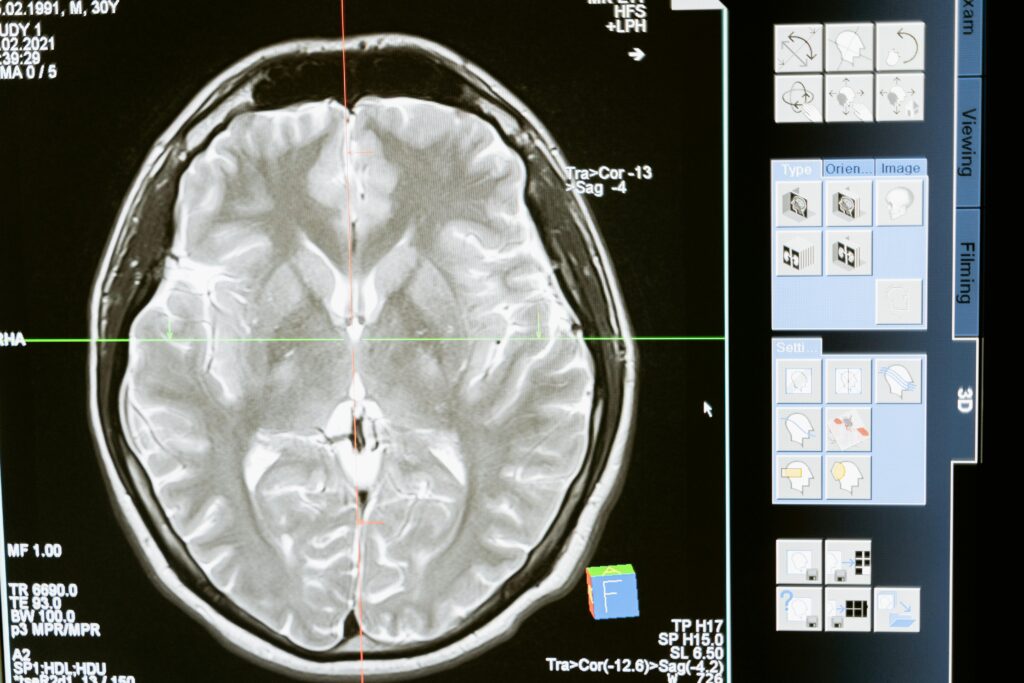
Drug addiction, also known as substance use disorder, is a chronic condition where a person compulsively uses drugs despite the negative consequences. This is not merely a matter of “willpower” or “moral failing.” Rather, addiction rewires the brain, leading to intense cravings and often a loss of control. Drugs alter the brain’s reward system, creating a cycle that is difficult to break without help.
Several factors contribute to the development of addiction, including genetics, environment, mental health, and the drug’s addictive potential. The sooner someone recognizes the signs of drug addiction, the better their chances of finding effective treatment and support.

Recognising Drug Addiction: Common Signs and Symptoms
Identifying drug addiction can be challenging, especially because individuals may hide or deny their struggles. However, recognizing the early warning signs is critical for families, friends, and healthcare professionals. Here are some common physical, behavioral, and emotional symptoms of drug addiction:

Physical Signs of Drug Addiction:
- Changes in appearance – Bloodshot eyes, sudden weight loss, or poor hygiene may be signs.
- Increased tolerance – Needing more of the drug to achieve the same effect.
- Withdrawal symptoms – Shakiness, sweating, nausea, or anxiety when not using.
- Unusual sleeping patterns – Excessive sleep or insomnia.
Behavioral Indicators:
- Neglecting responsibilities – Missing work, school, or other obligations.
- Social isolation – Withdrawing from friends, family, and hobbies.
- Engaging in risky behaviors – Driving under the influence or illegal activities.
- Financial problems – Spending large sums of money on drugs.
Emotional and Psychological Symptoms:
- Mood swings – Rapid changes in mood or irritability.
- Anxiety or depression – Addiction often coexists with mental health issues.
- Loss of motivation – Lack of interest in previously enjoyable activities.
Being aware of these signs can prompt a much-needed conversation or intervention. But remember, drug addiction does not look the same for everyone, so multiple perspectives are essential for an accurate assessment.
Why Drug Addiction Happens?
Drug addiction typically begins with voluntary use, but over time, the brain’s reward system starts to change. The repeated use of addictive substances releases dopamine, which triggers feelings of pleasure. Eventually, the brain adapts, and normal amounts of dopamine no longer bring the same satisfaction. As a result, the individual seeks more drugs to experience the same effect.
Genetics play a large role, with approximately 40-60% of addiction risk being inherited. However, environmental factors, such as exposure to drugs or family history of addiction, can significantly increase the likelihood of developing a dependency.
How to Help a Loved One Struggling with Addiction?
When a loved one suffers from addiction, it can be difficult to know where to start. Here are several steps to take:
- Educate Yourself on Addiction
Understanding that addiction is a chronic disease can help you approach the situation with compassion. Learning about the science behind addiction, the available treatment options, and how recovery works is beneficial.
- Open a Conversation with Empathy
When discussing addiction with your loved one, use non-judgmental language and focus on their well-being. Offer support, listen actively, and avoid blame.
- Encourage Professional Help
Addiction often requires treatment from healthcare providers, counselors, or addiction specialists. Encourage your loved one to seek help at an addiction treatment center, like Satori Recovery, where they can receive individualized care and support.
- Take Care of Your Own Mental Health
Supporting a loved one with addiction can be emotionally exhausting. Consider joining a support group or seeing a therapist to process your own emotions. - Set Boundaries
Setting boundaries protects your well-being and prevents enabling behaviors. Clear boundaries show your loved one that you support them but do not condone their actions.

Treatment Options for Drug Addiction
The journey to recovery is different for everyone, but addiction treatment often involves several core components:
Detoxification
Detox is the first step in the recovery process, during which the body clears itself of drugs. Medical supervision can help manage withdrawal symptoms and keep individuals safe.
Inpatient or Outpatient Rehab Programs
Inpatient rehab offers a structured environment with 24/7 support, ideal for those with severe addictions. Outpatient programs, on the other hand, allow individuals to receive treatment while maintaining their daily responsibilities.
Therapy and Counseling
Cognitive Behavioral Therapy (CBT), Dialectical Behavioral Therapy (DBT), and Motivational Interviewing are evidence-based therapies used to address the root causes of addiction, manage triggers, and build healthier habits.
Medication-Assisted Treatment (MAT)
Certain medications, such as methadone, buprenorphine, or naltrexone, can help reduce cravings and withdrawal symptoms, especially for opioid or alcohol addiction.
Support Groups and Aftercare
Support groups like Alcoholics Anonymous (AA) or Narcotics Anonymous (NA) offer ongoing support and a sense of community, which is essential for long-term recovery. Aftercare programs at facilities like Satori Recovery can provide additional tools and support after formal treatment.

Supporting a Loved One After Treatment
Even after completing treatment, recovery is an ongoing process. Here’s how you can support a loved one post-treatment:
- Encourage Continued Therapy and Support Groups.
- Recovery requires consistent effort. Attending support groups and therapy sessions helps individuals build resilience and stay focused on their goals.
- Celebrate Progress, Not Perfection.
Recognize and celebrate milestones, no matter how small. Encouragement reinforces positive behaviors and reminds them of their achievements.
- Practice Open Communication. Create an environment where your loved one feels safe to discuss their challenges. Open, non-judgmental communication fosters trust and connection.
- Encourage a Healthy Lifestyle. Physical health and mental health are interconnected. Encouraging activities like exercise, meditation, or healthy eating can help your loved one build a well-rounded approach to recovery.
- Remain Patient and Positive. Recovery is not a straight path. Relapses may occur, but they do not erase the progress made. Keep a positive outlook and remind them that setbacks are part of the journey.

Supporting a loved one after treatment requires understanding, patience, and ongoing encouragement. However, families and close friends may also need guidance and support as they navigate this journey. That’s where the Family Programme at Satori Recovery becomes an invaluable resource.
The Family Programme at Satori is designed to help families and loved ones actively participate in the recovery process. It provides education about addiction, fosters open communication, and equips families with tools to build a supportive home environment. Through workshops, counseling, and group discussions, families learn effective strategies to encourage long-term recovery, manage expectations, and set healthy boundaries. This program also addresses the emotional challenges families may face, creating a space for them to express their feelings and concerns.
By participating in the Family Programme, families gain a deeper understanding of addiction and learn how to strengthen relationships and promote healing. At Satori, we believe that recovery is a shared journey, and our Family Programme ensures that no one has to face it alone.
The Role of Addiction Professionals in Supporting Recovery
For addiction professionals, providing compassionate, effective treatment requires a holistic approach. Here are a few essential practices:
- Offer a Person-Centered Approach – Tailoring treatment to the unique needs of each individual boosts engagement and effectiveness.
- Create a Safe and Judgment-Free Environment – Patients are more likely to succeed when they feel safe and understood.
- Utilize Evidence-Based Practices – Effective therapies and scientifically backed methods are vital for sustainable recovery.
- Promote Relapse Prevention Strategies – Building skills to handle triggers can help prevent relapse.
- Engage Families in the Recovery Process – Addiction impacts the whole family and including them in the recovery journey can lead to better outcomes.
At Satori Recovery, our professional staff embodies these principles, bringing together a multidisciplinary team of highly trained specialists committed to supporting each person’s journey to recovery. Our team includes therapists, counselors, psychiatrists, and medical staff who work collaboratively to provide comprehensive, individualized care.
Each therapist at Satori is trained in evidence-based therapeutic approaches, such as Cognitive Behavioral Therapy (CBT) and Dialectical Behavioral Therapy (DBT), to help clients build resilience, address underlying mental health conditions, and develop healthy coping strategies. Counselors offer compassionate guidance and support throughout each stage of treatment, helping clients stay motivated and connected to their recovery goals.
Psychiatrists at Satori provide specialized mental health care, including diagnosis, medication management, and continuous monitoring for clients with co-occurring disorders. This holistic approach ensures that physical and mental health are both addressed, optimizing the recovery process.
Satori’s staff is dedicated not only to treating addiction but also to fostering an environment of respect, empathy, and understanding. By creating a safe space and offering the highest standards of care, our team is committed to helping clients rebuild their lives, equipping them and their families with the tools they need for lasting recovery.

Why Early Intervention Matters?
Drug addiction can progress rapidly, so early intervention is critical. Reaching out for help at the first signs of addiction improves the chances of recovery. Addiction treatment centers like Satori Recovery offer support not only for the individual but also for families, creating a comprehensive support network.
By understanding addiction, recognizing the signs, and supporting those affected, families, friends, and professionals can help transform lives. Recovery is achievable with the right help, and every small step counts. If you or a loved one is struggling, reach out—help is available, and recovery is possible.
Drug addiction is a challenging journey, but with understanding, compassion, and professional guidance, recovery is within reach. Through education and support, we can all play a role in helping individuals reclaim their lives and look forward to a brighter future.
___________________________________
If you, your loved one or someone you know are struggling with addiction, do not wait and contact us:
📧 **@************ry.com” target=”_blank” rel=”noreferrer noopener”>in**@************ry.com
📞 (UK) +44 7888 752747
📞 (ES) +34 611 865 171


































Leave a Reply